
Reconciliation: Islam, Democracy, and the West by Benazir Bhutto examines the intersections of Islamic values, democratic governance, and Western ideals. Written before her assassination, the book reflects Bhutto’s vision of a world where cultural divides are bridged through dialogue and mutual respect. Drawing on history, personal experience, and political analysis, she addresses misconceptions about Islam, the challenges of extremism, and the importance of democratic principles in the Muslim world. Bhutto’s argument for coexistence and understanding is both timely and timeless, offering a hopeful perspective on global relations and the role of leadership in fostering harmony and progress.
save
₨545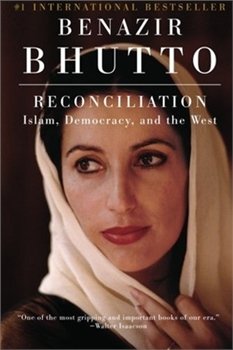
Reconciliation: Islam, Democracy, and the West
₨2,900₨3,445
Benazir Bhutto’s Reconciliation is a compelling analysis of the relationship between Islam, democracy, and Western values. Combining historical insights and political perspectives, she advocates for bridging divides and fostering mutual understanding to achieve global peace and stability.
| Format | Paperback |
|---|---|
| Author | Benazir Bhutto |
Customer Reviews
There are no reviews yet.
Only logged in customers who have purchased this product may leave a review.
Related products

The Great Delusion
₨699Mearsheimer’s work critiques American foreign policy and its pursuit of liberal hegemony, arguing that it has destabilized global order and led to conflicts. He explores alternative approaches that prioritize realism, power balance, and the limits of U.S. influence.
₨1,099-
Pakistan: Eye of the Storm
₨999Pakistan: Eye of the Storm by Owen Bennett Jones offers a detailed analysis of Pakistan’s political landscape, its struggles with internal and external conflicts, and the pivotal role it plays in global politics, particularly in relation to terrorism and regional security.
₨1,199 -
Reconfiguring the China-Pakistan Economic Corridor
₨899Reconfiguring the China-Pakistan Economic Corridor by Jeremy Garlick analyzes the strategic, economic, and political implications of the CPEC. It explores how the project affects both nations’ regional influence and global economic power, offering a nuanced look at its potential outcomes.
₨1,299 -
Terrorism:Theirs and Ours
₨2,099Terrorism: Theirs and Ours by Eqbal Ahmad critically examines the origins and politics of terrorism. It challenges mainstream narratives, exploring the role of global powers, colonial history, and socio-political contexts in perpetuating violence and misunderstanding about terrorism.
₨2,500 -
Why Nations Fail: The Origins Of Power, Prosperity, And Poverty
₨2,250Brilliant and engagingly written, Why Nations Fail answers the question that has stumped the experts for centuries: Why are some nations rich and others poor, divided by wealth and poverty, health and sickness, food and famine?
Is it culture, the weather, geography? Perhaps ignorance of what the right policies are?
Simply, no. None of these factors is either definitive or destiny. Otherwise, how to explain why Botswana has become one of the fastest growing countries in the world, while other African nations, such as Zimbabwe, the Congo, and Sierra Leone, are mired in poverty and violence?
₨2,545 -
Erdogan’s Empire
₨499Cagaptay’s book provides an in-depth analysis of President Recep Tayyip Erdogan’s rise to power, his consolidation of authority, and the impact on Turkey’s domestic and foreign policies. It examines how Erdogan’s leadership has reshaped the country’s identity and global positioning.
₨899 -
The Return of Taliban
₨849The Return of the Taliban by Hassan Abbas offers a comprehensive overview of the Taliban’s resurgence in Afghanistan. It explores the factors behind their comeback, the international response, and the implications for regional and global security.
₨1,299 -
How democracies die
₨1,320How Democracies Die by Steven Levitsky explores the gradual decline of democracies around the world, focusing on the ways authoritarian leaders exploit democratic institutions. Levitsky analyzes the signs of democratic erosion and offers insights into preserving democratic values and systems.
₨1,475


