In Textual Criticism and Qur’an Manuscripts, Keith E. Small provides a meticulous examination of the Qur’an’s textual history. He analyzes manuscript evidence and explores the processes of its compilation and transmission. Through a critical and comparative approach, the book raises questions about the Qur’an’s preservation, historical context, and variations in early texts. While primarily aimed at academics and researchers, the work offers valuable insights for anyone interested in Qur’anic studies, manuscript traditions, or the history of Islamic scripture. Small’s analysis highlights the complexities involved in understanding the Qur’an’s textual integrity and its place in religious history.
save
₨1,400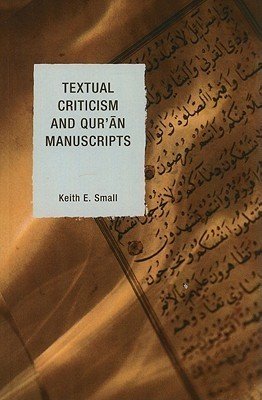
Textual Criticism and Qur’an Manuscripts
₨1,599₨2,999
Keith Small examines the textual history of the Qur’an, analyzing its manuscript evidence. This scholarly work explores critical questions about the Qur’an’s compilation, offering insights into its preservation and historical development through a comparative lens.
| Format | Hardcover |
|---|---|
| Author | Keith E. Small |
Customer Reviews
There are no reviews yet.
Only logged in customers who have purchased this product may leave a review.
Related products

The Spiritual Cure: An Explanation to Surah al-Fatihah
₨2,000This book offers a detailed explanation of Surah al-Fatihah, the opening chapter of the Qur’an. Abu Rumaysah highlights its spiritual, emotional, and theological depth, emphasizing its relevance as a daily prayer and guide for believers
₨2,550-
The Eternal Challenge: A Journey Through the Miraculous Qur’an
₨599Abu Zakariya provides a compelling exploration of the Qur’an’s miraculous aspects, from linguistic mastery to profound themes. This book offers a fresh perspective on its divine origins, appealing to seekers and believers alike.
₨899 -
Tafheem Ul Quran Urdu 6 Vols Set
₨10,999Tafheem ul Quran is one of the best available commentaries on the Quran by one of the leading scholars of the past century, Syed Abul A`la Maududi. This is a new six-volume print of the tafsir offering a detailed understanding of each of the 114 suras of the Quran in a beautifully written Urdu prose.
₨12,000 -
The Story of the Qur’an: Its History and Place in Muslim Life
₨8,365Ingrid Mattson explores the Qur’an’s history, compilation, and role in Muslim life. She provides a comprehensive guide to its teachings, cultural impact, and significance in shaping Islamic thought and practice.
₨9,295 -
Structure and Qur’anic Interpretation
₨2,780Farrin examines the Qur’an’s literary structure, challenging traditional views of its organization. He highlights its coherence through thematic connections and rhetorical devices, offering fresh insights into interpreting the Qur’an’s divine message and stylistic beauty.
₨3,500 -
Al-Azim Tafsir’ul Quran Vol 1
₨3,350Ibn Kathir’s classic tafsir remains a cornerstone of Islamic scholarship. Drawing on hadith, historical narratives, and linguistic analysis, it provides comprehensive explanations of Qur’anic verses, making it an invaluable resource for understanding Islamic teachings and divine guidance.
₨3,650 -
Where the Two Seas Meet
₨999Where the Two Seas Meet explores Islamic mysticism through the lens of Rumi and other Sufi traditions. Halman weaves poetry, philosophy, and history to reveal the spiritual and transformative power of Sufi teachings.
₨1,200 -
Tafseer Zia ul Quran 5 vols Set
₨9,000Muhammad Karam Shah was born on 1 July 1918 at Bhera, Sargodha District, British India. He finished his basic education in his hometown Bhera in 1936. Then he learned Persian and Arabic languages. Then on the advice of Khwaja Qamar ul Din Sialvi (1906 – 1981), he went to Muradabad, in 1942 for the study of Hadith. He graduated from the University of the Punjab in 1945 and then went on to Egypt for higher religious education at Al-Azhar University. He received his masters degree in Islamic Law.
Muhammmad Karam Shah al-Azhari is well-known and notable for being the author of the book “Zia un Nabi“, a 1995 Urdu biography of prophet Muhammad. The book contains 7 Volumes. Later, it was translated into English language also having 7 Volumes by Muhammad Qayyum Awan. He is also recognised for writing Tafsir Zia ul Quran, an Urdu interpretation of Quran in 5 volumes
He reorganized the Islamic institution Dar al Ulum Muhammadiyyah Ghausiyyah established by his father in Bhera and brought major changes in the syllabi of religious education. He was of the view that modern education also should be learned along with religious education
Muhammad Karam Shah al-Azhari was an active participant in the Pakistan movement and vigorously campaigned in the Indian provincial elections, 1946 for All India Muslim League
Muhammad Karam Shah al-Azhari also served as a justice of the Supreme Court of Pakistan until his death in 1998 and had served on its Shariat Bench.[1] He became a justice of the Federal Shariat Court, when it was first established in 1981
₨12,000