
The Great Delusion by John J. Mearsheimer critically assesses the consequences of American foreign policy, particularly the pursuit of liberal hegemony. Mearsheimer argues that this approach, focused on spreading democracy and global governance, has led to numerous conflicts and instability. He contends that America’s insistence on imposing its values and political systems has not only strained international relations but also undermined long-term security. Through detailed analysis, Mearsheimer advocates for a more realistic approach to international policy that prioritizes power politics and strategic interests. This book is essential for anyone interested in understanding global geopolitics and the limitations of U.S. influence.
save
₨400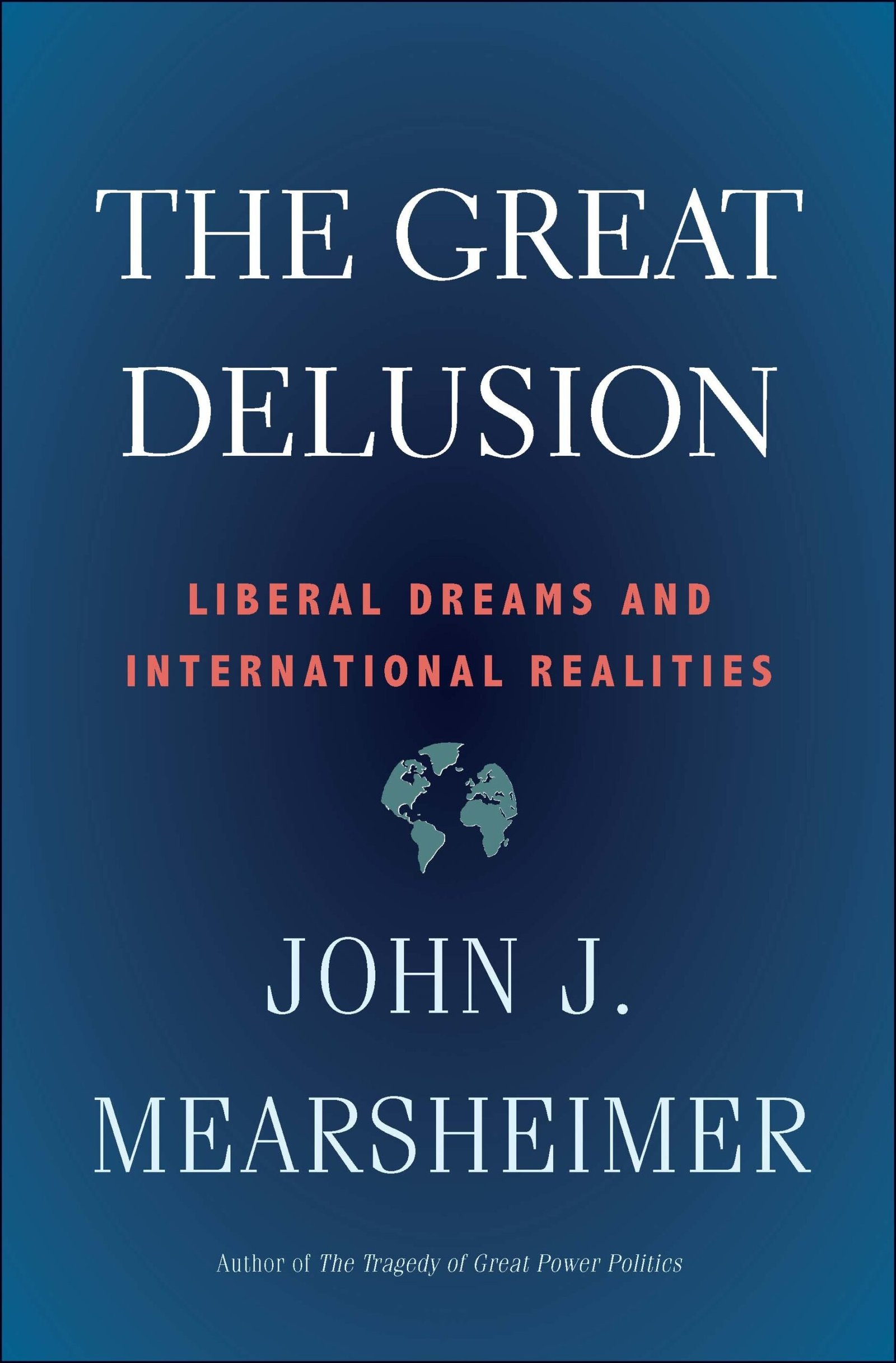
The Great Delusion
₨699₨1,099
Mearsheimer’s work critiques American foreign policy and its pursuit of liberal hegemony, arguing that it has destabilized global order and led to conflicts. He explores alternative approaches that prioritize realism, power balance, and the limits of U.S. influence.
Customer Reviews
There are no reviews yet.
Only logged in customers who have purchased this product may leave a review.
Related products

Offence: The Muslim Case (Manifestos for the 21st Century)
₨999Offence: The Muslim Case by Kamila Shamsie explores the complex intersection of religion, identity, and freedom of expression in the modern world. Shamsie examines the challenges Muslims face today and their place in contemporary global discourse.
₨1,299-
Blood and Oil: Mohammed bin Salman’s Ruthless Quest for Global Power
₨2,965Blood and Oil by Bradley Hope and Justin Scheck explores the rise of Saudi Arabia’s Crown Prince Mohammed bin Salman. The book delves into his political maneuvers, controversial actions, and ambitions to reshape both Saudi Arabia and the world.
₨3,295 -
Erdogan’s Empire
₨499Cagaptay’s book provides an in-depth analysis of President Recep Tayyip Erdogan’s rise to power, his consolidation of authority, and the impact on Turkey’s domestic and foreign policies. It examines how Erdogan’s leadership has reshaped the country’s identity and global positioning.
₨899 -
Life 3.0: Being Human In the age Of artificial Intelligence
₨2,150This is the most important conversation of our time, and Tegmark s thought-provoking book will help you join it Stephen Hawking
THE INTERNATIONAL BESTSELLER. DAILY TELEGRAPH AND THE TIMES BOOKS OF THE YEAR
SELECTED AS ONE OF BARACK OBAMA S FAVOURITE BOOKS OF 2018₨2,545 -
Reconciliation: Islam, Democracy, and the West
₨2,900Benazir Bhutto’s Reconciliation is a compelling analysis of the relationship between Islam, democracy, and Western values. Combining historical insights and political perspectives, she advocates for bridging divides and fostering mutual understanding to achieve global peace and stability.
₨3,445 -
PAKISTAN AT THE CROSSROADS
₨2,500Pakistan at the Crossroads is a collection of essays analyzing Pakistan’s political, social, and economic challenges. Edited by Christophe Jaffrelot, it explores issues like governance, extremism, and geopolitics, offering insights into the country’s uncertain future and regional implications.
₨3,000 -
How to Lose a Country The SEVEN Steps from Democracy to Dictatorship
₨1,495Ece Temelkuran examines how democracies slide into authoritarianism in How to Lose a Country. Drawing on global examples, she outlines seven warning signs of political decay, urging readers to resist apathy and protect democratic values through vigilance and action.
₨1,795 -
Why Nations Fail: The Origins Of Power, Prosperity, And Poverty
₨2,250Brilliant and engagingly written, Why Nations Fail answers the question that has stumped the experts for centuries: Why are some nations rich and others poor, divided by wealth and poverty, health and sickness, food and famine?
Is it culture, the weather, geography? Perhaps ignorance of what the right policies are?
Simply, no. None of these factors is either definitive or destiny. Otherwise, how to explain why Botswana has become one of the fastest growing countries in the world, while other African nations, such as Zimbabwe, the Congo, and Sierra Leone, are mired in poverty and violence?
₨2,545


