
The Revenge of Geography by Robert D. Kaplan explores the powerful role that geography plays in shaping global politics and history. Kaplan argues that a nation’s geographic location, its physical barriers, and proximity to other powers influence its political decisions, alliances, and conflicts. The book examines historical and contemporary case studies to show how geographical factors have determined the rise and fall of civilizations and the strategies of nations. By integrating geography with geopolitics, Kaplan provides a thought-provoking analysis of how the physical world continues to affect political landscapes and power dynamics across the globe.
save
₨200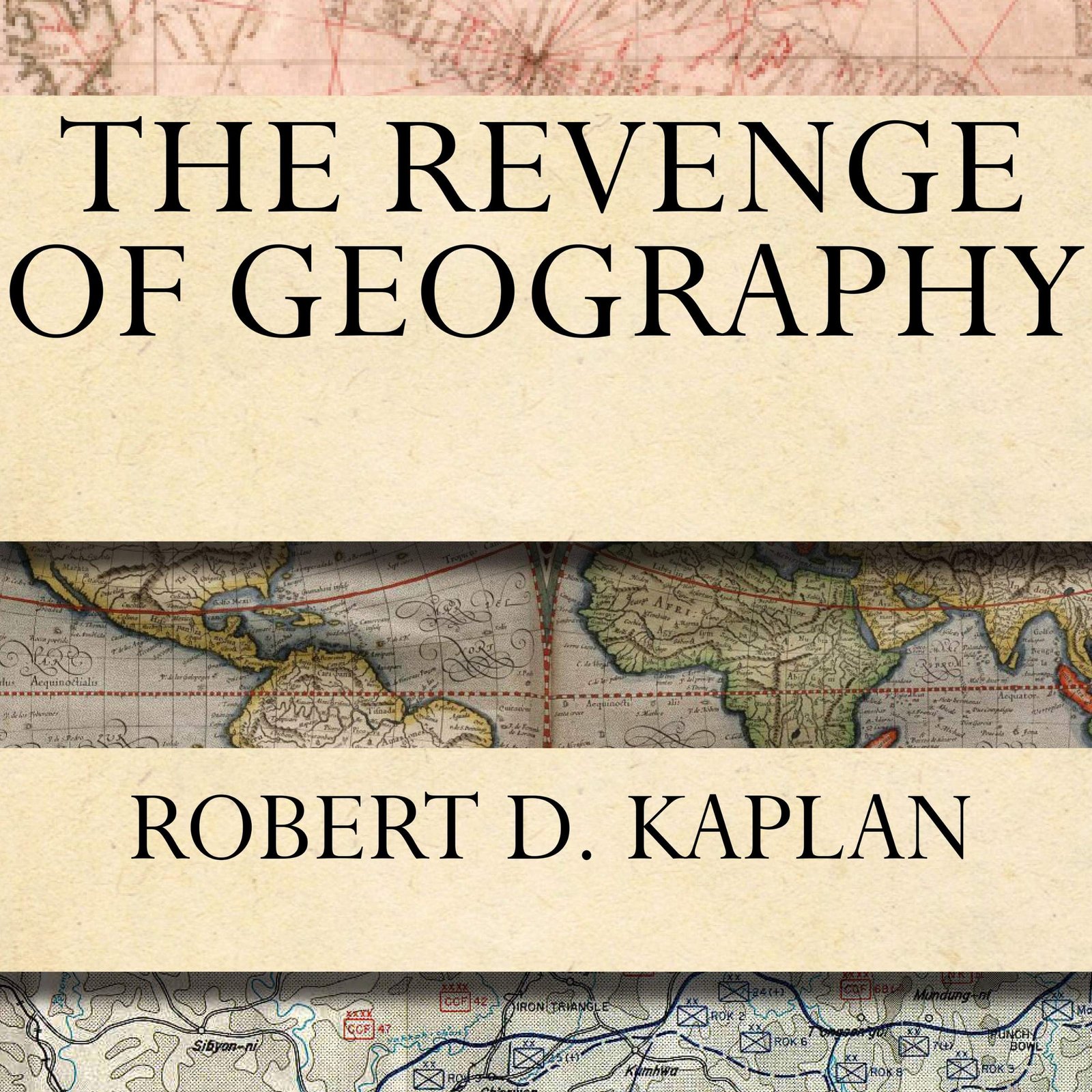
The Revenge of Geography
₨499₨699
The Revenge of Geography by Robert D. Kaplan examines how geography shapes global politics. Kaplan argues that nations’ geographical features and locations heavily influence their political decisions, strategies, and conflicts, offering a unique lens on world history and power dynamics.
| Format | Paperback |
|---|---|
| Author | Robert D. Kaplan |
Customer Reviews
There are no reviews yet.
Only logged in customers who have purchased this product may leave a review.
Related products

Why Nations Fail: The Origins Of Power, Prosperity, And Poverty
₨2,250Brilliant and engagingly written, Why Nations Fail answers the question that has stumped the experts for centuries: Why are some nations rich and others poor, divided by wealth and poverty, health and sickness, food and famine?
Is it culture, the weather, geography? Perhaps ignorance of what the right policies are?
Simply, no. None of these factors is either definitive or destiny. Otherwise, how to explain why Botswana has become one of the fastest growing countries in the world, while other African nations, such as Zimbabwe, the Congo, and Sierra Leone, are mired in poverty and violence?
₨2,545-
Erdogan’s Empire
₨499Cagaptay’s book provides an in-depth analysis of President Recep Tayyip Erdogan’s rise to power, his consolidation of authority, and the impact on Turkey’s domestic and foreign policies. It examines how Erdogan’s leadership has reshaped the country’s identity and global positioning.
₨899 -
Ten Arguments for Deleting Your Social Media Accounts Right Now
₨1,750Jaron Lanier makes a compelling case against social media’s impact on society, highlighting issues like addiction, manipulation, and privacy violations. He offers ten thought-provoking reasons to reconsider our online presence and reclaim autonomy in an increasingly connected world.
₨1,945 -
Pakistan: Eye of the Storm
₨999Pakistan: Eye of the Storm by Owen Bennett Jones offers a detailed analysis of Pakistan’s political landscape, its struggles with internal and external conflicts, and the pivotal role it plays in global politics, particularly in relation to terrorism and regional security.
₨1,199 -
Reconfiguring the China-Pakistan Economic Corridor
₨899Reconfiguring the China-Pakistan Economic Corridor by Jeremy Garlick analyzes the strategic, economic, and political implications of the CPEC. It explores how the project affects both nations’ regional influence and global economic power, offering a nuanced look at its potential outcomes.
₨1,299 -
The Great Delusion
₨699Mearsheimer’s work critiques American foreign policy and its pursuit of liberal hegemony, arguing that it has destabilized global order and led to conflicts. He explores alternative approaches that prioritize realism, power balance, and the limits of U.S. influence.
₨1,099 -
How to Lose a Country The SEVEN Steps from Democracy to Dictatorship
₨1,495Ece Temelkuran examines how democracies slide into authoritarianism in How to Lose a Country. Drawing on global examples, she outlines seven warning signs of political decay, urging readers to resist apathy and protect democratic values through vigilance and action.
₨1,795 -
Money,Greed and God
₨999Jay W. Richards debunks myths about capitalism and explores its compatibility with Christian values. Money, Greed, and God advocates ethical capitalism as a force for good, offering a balanced perspective on faith, economics, and societal progress.
₨1,500


